
PencilGo

Grade 1 · Social Studies · History

1st Grade Past and Present worksheets

6 printable versionsOn LevelAbout 8 minutes eachFree · no account

When it’s done, scan the sheet with your phone and PencilGo marks it and picks the next one. Create a free account

★
Version
Print

Past and Present

Grade 1 Social Studies Worksheet

NameDate

Circle the answer.

  1. Look at the timeline. Which one came in the middle?

    • light bulb
    • candle
    • oil lamp
  2. Which one did people NOT have long ago?

  3. Look at the timeline. Which one came just after the horse?

    • train
    • airplane
    • car
    • horse
  4. People used the candle long ago. We use the light bulb today. What is the same?

    • Both are made of glass.
    • Both burn oil.
    • Both make light.
    • Both need a plug.
  5. Look at the timeline. Which one came just before the text message?

    • text message
    • video call
    • letter
    • phone call
  6. Which one did people NOT have long ago?
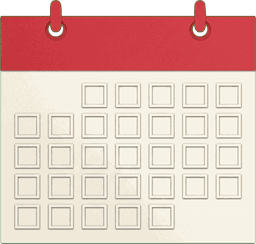
  7. Look at the timeline. Which one came in the middle?

    • pencil
    • feather pen
    • computer
  8. People used the letter long ago. We use the video call today. What is the same?

    • Both need a stamp.
    • Both send a message.
    • Both need a battery.
    • Both are very new.
  9. Look at the timeline. Which one came just after the wood stove?

    • gas stove
    • campfire
    • microwave
    • wood stove
  10. Which one did people NOT have long ago?

PencilGopencilgo.com

1st Grade Past and Present worksheet 1 – printable PDF
Download PDF: 123456

About this worksheet

Studying past and present helps children see both change and continuity. Tools for travel, communication, cooking, lighting, and learning may look different, while the human purpose behind them often remains the same. First graders sometimes treat long ago as a single moment or assume that an older tool vanished as soon as a newer one appeared. This worksheet puts familiar tools on short timelines and asks which came first, which is newest, and what stayed the same.

Picture questions ask which thing was used long ago and which thing people did not have yet. Support questions read the labels directly. Harder items ask what comes just before, just after or between, and what job both tools do. Watch for answers based only on whether an object looks familiar. Historical reasoning uses the timeline and the described evidence, while recognizing that families can use old and new tools at the same time.

What your child will learn

  • Distinguish past examples from present examples
  • Describe change in familiar tools
  • Identify purposes that continued over time
  • Use first, newest, before and after accurately

C3 Framework standard: D2.His.2.K-2

Worked example

A candle, an oil lamp and a light bulb sit on a timeline from left to right. The candle came first and the light bulb is newest. All of them make light.

Common mistake

Assuming every old tool disappeared completely when a newer tool was invented.

Helpful hint

Read left to right, then compare what changed with what people still needed to do.

Questions parents ask

What is the most common mistake with past and present?

Assuming every old tool disappeared completely when a newer tool was invented.

How can I help my child with past and present?

Read left to right, then compare what changed with what people still needed to do.

Are these 1st grade social studies worksheets free to print?

Yes. All 6 printable versions on this page are free to download and print, with no account needed.

Similar: Put Events on a Timeline

More 1st grade history

See all history

Every sheet you scan goes into your child’s record: dated, marked and ready for the year-end portfolio. Homeschool records