PencilGo

Grade 1 · Science · Earth science

1st Grade Day and Night Sky worksheets

6 printable versionsOn LevelAbout 9 minutes eachFree · no account

When it’s done, scan the sheet with your phone and PencilGo marks it and picks the next one. Create a free account

★
Version
Print

Day and Night Sky

Grade 1 Science Worksheet

NameDate

Circle the answer.

  1. The sun came up three mornings in a row. Will it come up tomorrow?

    • No. It only comes up on some days.
    • Yes. It comes up every morning.
    • No. It stays down on rainy days.
  2. Which can you sometimes see in the day sky?

    • many stars
    • the moon
    • a shooting star
  3. Which shows the sun's day in order?

    • sunrise, noon, sunset
    • sunset, noon, sunrise
    • noon, sunset, sunrise
  4. A child sees the sun low in the west. What time is it?

    • evening
    • noon
    • morning
  5. Which time of day is darkest?

    • the middle of the night
    • sunrise
    • noon
  6. Which happens every day?

    • The moon comes up at noon.
    • The sun stays up all day and night.
    • The sun comes up and goes down.
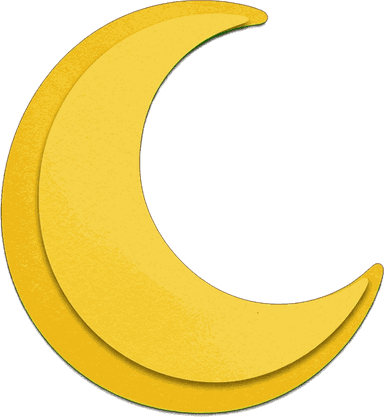
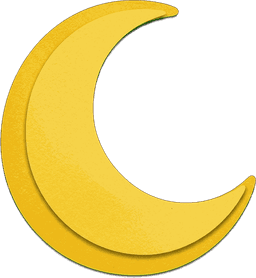
  7. Which one can you see at night but not at noon?

  8. Where does the sun come up each morning?

    • in the east
    • in the west
    • in the north
  9. Where does the sun go down each evening?

    • in the south
    • in the west
    • in the east
  10. Read this first

    Mia's sky log

    Mia wrote in her sky log for three days. Monday: the sun came up on the east side of her house. Tuesday: the sun came up on the east side again. Wednesday: the sun came up on the east side again. At night, she saw the moon.

  11. Where will the sun come up on Thursday?

    • on the west side
    • on the east side
    • on the north side
PencilGopencilgo.com

1st Grade Day and Night Sky worksheet 1 – printable PDF
Download PDF: 123456

About this worksheet

The sky changes in ways children can observe and predict. The sun appears in the east, moves across the sky, and appears to set in the west. Stars are usually visible at night because the daytime sky is bright, and the moon can sometimes be seen during either day or night. This worksheet avoids teaching the common misconception that the moon belongs only to nighttime. Instead, students read short observation stories, order repeated events, and choose claims that match what was seen.

Support versions focus on sunrise, daylight, sunset, and darkness. Challenge versions include observations taken across several days and ask children to notice a pattern rather than a single event. Encourage your child to separate “what I saw today” from “what happens again and again.” A science pattern needs repeated observations. Looking at the sky safely also matters: children should never stare directly at the sun.

What your child will learn

  • Describe a daily sun pattern
  • Compare common day and night observations
  • Recognize that the moon can appear in daytime
  • Use repeated observations to predict sky events

NGSS standard: 1-ESS1-1

Worked example

If the sun came up low in the east on three mornings, a reasonable prediction is that it will come up in the east the next morning too.

Common mistake

Claiming the moon can only be seen at night or that one observation proves a repeating pattern.

Helpful hint

Look for what repeats at about the same time each day.

Questions parents ask

What is the most common mistake with day and night sky?

Claiming the moon can only be seen at night or that one observation proves a repeating pattern.

How can I help my child with day and night sky?

Look for what repeats at about the same time each day.

Are these 1st grade science worksheets free to print?

Yes. All 6 printable versions on this page are free to download and print, with no account needed.

Similar: Seasons and Daylight · Observe and Record Weather

More 1st grade earth science

See all earth science

Every sheet you scan goes into your child’s record: dated, marked and ready for the year-end portfolio. Homeschool records