PencilGo

Grade 1 · Science · Earth science

1st Grade Seasons and Daylight worksheets

6 printable versionsOn LevelAbout 8 minutes eachFree · no account

When it’s done, scan the sheet with your phone and PencilGo marks it and picks the next one. Create a free account

★
Version
Print

Seasons and Daylight

Grade 1 Science Worksheet

NameDate

Circle the answer, or write the answer on the line.

  1. Which season has more daylight than winter but less than summer?

    • Summer
    • Spring
    • Winter
  2. What does the graph show?

    Use the picture in question 1.

    • Spring has the most daylight.
    • Summer has more daylight than winter.
    • Winter has more daylight than summer.
  3. Which plan shows how much daylight there is each month?

    • Write down how windy it is.
    • Write down the rain each month.
    • Write down when the sun comes up and goes down.
  4. After summer, days get ___.

    • shorter
    • the same
    • longer
  5. After winter, days get ___.

    • shorter
    • longer
    • the same
  6. Which season comes after fall?

    • summer
    • spring
    • winter
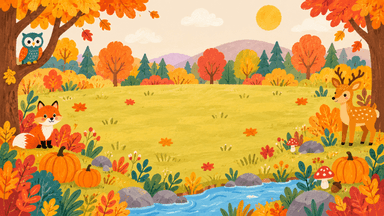
  7. Which picture shows spring?

  8. Which season has the most suns?

    • Spring
    • Winter
    • Summer
  9. Which season has the fewest suns?

    Use the picture in question 8.

    • Summer
    • Winter
    • Spring
  10. How many suns does spring have?

    Use the picture in question 8.

PencilGopencilgo.com

1st Grade Seasons and Daylight worksheet 1 – printable PDF
Download PDF: 123456

About this worksheet

The amount of daylight changes across the year. In many places, summer days have more daylight and winter days have less, while spring and fall fall between those extremes. First graders do not need to calculate astronomical causes; they need to observe, compare, and describe the yearly pattern. This worksheet presents a simple picture graph in which each sun stands for a block of daylight, so a child can count suns instead of reading a scale. Weather and daylight are not the same thing: a cloudy summer day can still have more daylight than a clear winter day.

Support questions compare two seasons with large differences. Challenge questions ask students to read three seasons, add and subtract small numbers of suns, and predict the next part of a yearly cycle. Because exact daylight totals depend on location, the values are treated as one town's observations, not universal numbers. Ask your child to point to the suns before naming a season.

What your child will learn

  • Compare daylight amounts across seasons
  • Read a seasonal daylight picture graph
  • Separate daylight length from weather
  • Describe and predict a yearly pattern

NGSS standard: 1-ESS1-2

Worked example

A town has 8 suns in summer and 4 in winter. Summer has 4 more suns, so summer had more daylight.

Common mistake

Using temperature or cloud cover as if it measured the number of daylight hours.

Helpful hint

Count the suns, not the weather words.

Questions parents ask

What is the most common mistake with seasons and daylight?

Using temperature or cloud cover as if it measured the number of daylight hours.

How can I help my child with seasons and daylight?

Count the suns, not the weather words.

Are these 1st grade science worksheets free to print?

Yes. All 6 printable versions on this page are free to download and print, with no account needed.

Similar: Day and Night Sky · Observe and Record Weather

More 1st grade earth science

See all earth science

Every sheet you scan goes into your child’s record: dated, marked and ready for the year-end portfolio. Homeschool records